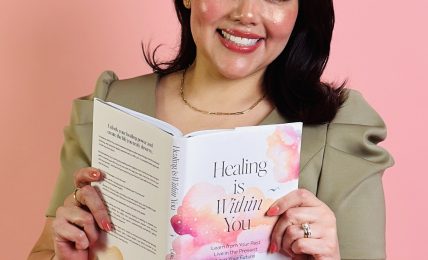
Meet Dr. Genevieve Marcel | Existential psychotherapist and writer



We had the good fortune of connecting with Dr. Genevieve Marcel and we’ve shared our conversation below.
Hi Dr. Genevieve, what role has risk played in your life or career?
I tend not to think about risk as spectacle or boldness, but as fidelity. Most of the risks I have taken were quiet ones: choosing depth over visibility, refusing certain professional paths that promised security but felt misaligned, allowing my work to mature slowly rather than forcing it into premature clarity. From the outside, that can look cautious. Internally, it often felt risky to trust my own sense of timing and orientation when faster, more conventional routes were available.
Risk has played a central role in my career, particularly in choosing to work at the intersections of existential psychology, sexuality and meaning, fields that do not reward certainty or simple answers. Writing and practicing from that position requires tolerating ambiguity, misunderstanding and periods of latency where there is little external validation. But for me, the greater risk would have been self-betrayal: shaping my work around what is easily received rather than what feels true. Over time, I have learned that the most sustainable risks are not about dramatic leaps, but about staying with what you know inwardly, even when there is no immediate proof that it will be recognized.
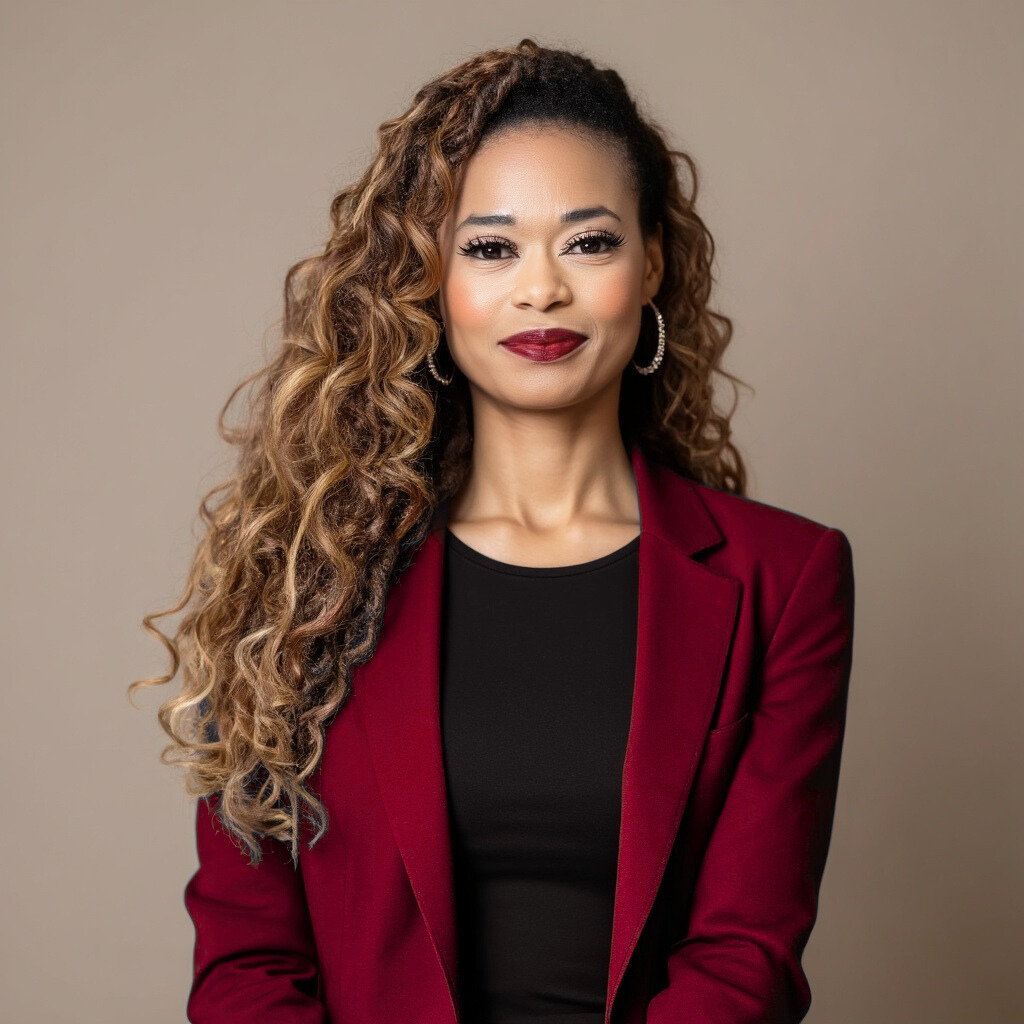
What should our readers know about your business?
What sets my work apart is that I am less interested in viewing people and their concerns as problems to fix. I am more interested in understanding them to uncover the root cause of their concern. I work from the assumption that many symptoms, especially around desire, intimacy and identity, are not malfunctions but meaningful responses to how a person is living, relating or being seen. I am most proud of having stayed loyal to that orientation even when it was not the most marketable or efficient path. I have resisted simplifying my work into techniques or advice and instead built a practice and a body of writing that treats erotic and psychological life as existential terrain rather than problems to be optimized.
With regard to business, my path has been deliberate. It was not easy and it was rarely linear. I did not build through scale, visibility or constant output, but through refinement: narrowing my focus, learning to say no, allowing my voice to become more precise over time. The challenges were less external than internal. Trusting that depth has its own audience requires patience and a tolerance for periods of quiet. I overcame those moments by returning to the work itself and letting clarity, rather than urgency, guide my decisions.
The central lesson I have learned is that alignment matters more than acceleration. When your work is rooted in something real, it does not need to shout. What I want the world to know about my brand and my story is that I am not interested in performance or persuasion. I am interested in discernment, in honesty and in creating spaces where people can encounter themselves without being rushed toward resolution. In many areas of life, I have learned that what is achieved quickly often fades with the same rapidity. The same goes with therapy. That stance has shaped everything I do and it is the one thing I have never been willing to compromise.
If you had a friend visiting you, what are some of the local spots you’d want to take them around to?
If a close friend were visiting Houston for a week, I would want them to experience the city the way it actually reveals itself: slowly, through neighborhoods, food and texture rather than landmarks alone. Houston is not a city that performs. It rewards curiosity.
I would start with food, because that is where Houston is most honest. We would do breakfast tacos at Blacksmith, coffee at Catalina, pastries at Bouchée and Indian/Pakistani or Thai food for dinner one night. Houston’s global communities are not aestheticized here, they are lived. For a more refined evening, I would take them to March or Le Jardinier, somewhere that balances seriousness with ease. I don’t drink, but for my friend I would suggest cocktails somewhere that would be unfussy but intentional: Anvil, Permission, or Hotel St. Augustine rather than anything scene-heavy.
During the days, I would show them the city’s scale and softness. Long walks through Hermann Park and the Museum District, a visit to the Menil Collection and the Rothko Chapel, which remains one of the most quietly powerful spaces in the city. I would drive them through neighborhoods rather than destinations: Montrose, downtown, parts of the East End, River Oaks. Houston is understood from the car as much as on foot.
One afternoon would be reserved for something less planned: wandering an independent bookstore, sitting in a coffee shop for tea, sitting somewhere shaded and talking. Another evening might be a performance at the Alley Theatre or a small live music venue, depending on what is in town. Houston’s creative life is decentralized but serious.
What I would want them to feel, by the end of the week, is that Houston is not flashy but deeply generous. It is a city where people build quietly, where cultures overlap without explanation and where the most interesting experiences tend to happen off script. If you let it unfold rather than trying to consume it, Houston can be unexpectedly rich.

Who else deserves some credit and recognition?
I dedicate this shoutout to my parents, my husband and my daughter.
Website: https://www.genevievemarcel.com
Instagram: https://www.instagram.com/liaison.therapy/
Linkedin: https://www.linkedin.com/in/genevieve-marcel-885304358
Other: Substack: https://substack.com/@genevievemarcel
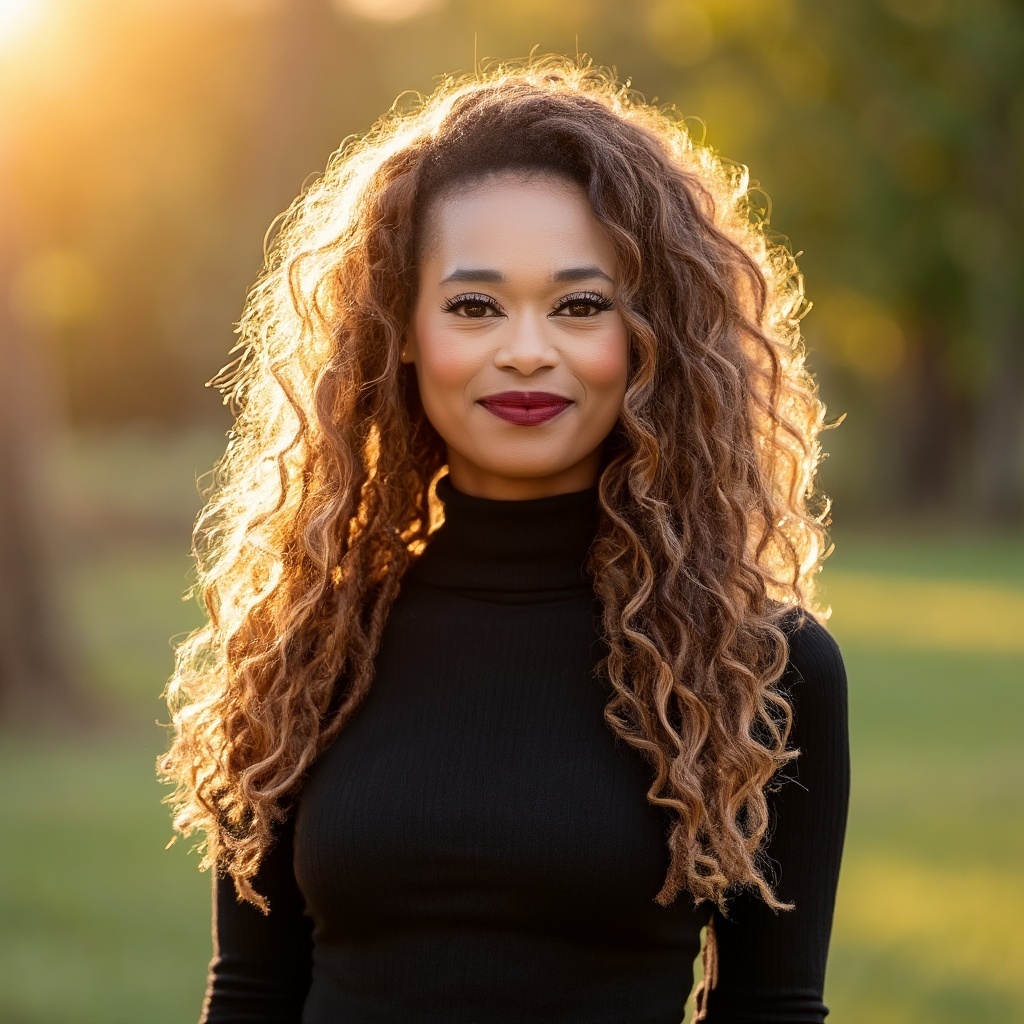
Image Credits
Self portrait